
Graphite for friction formulations
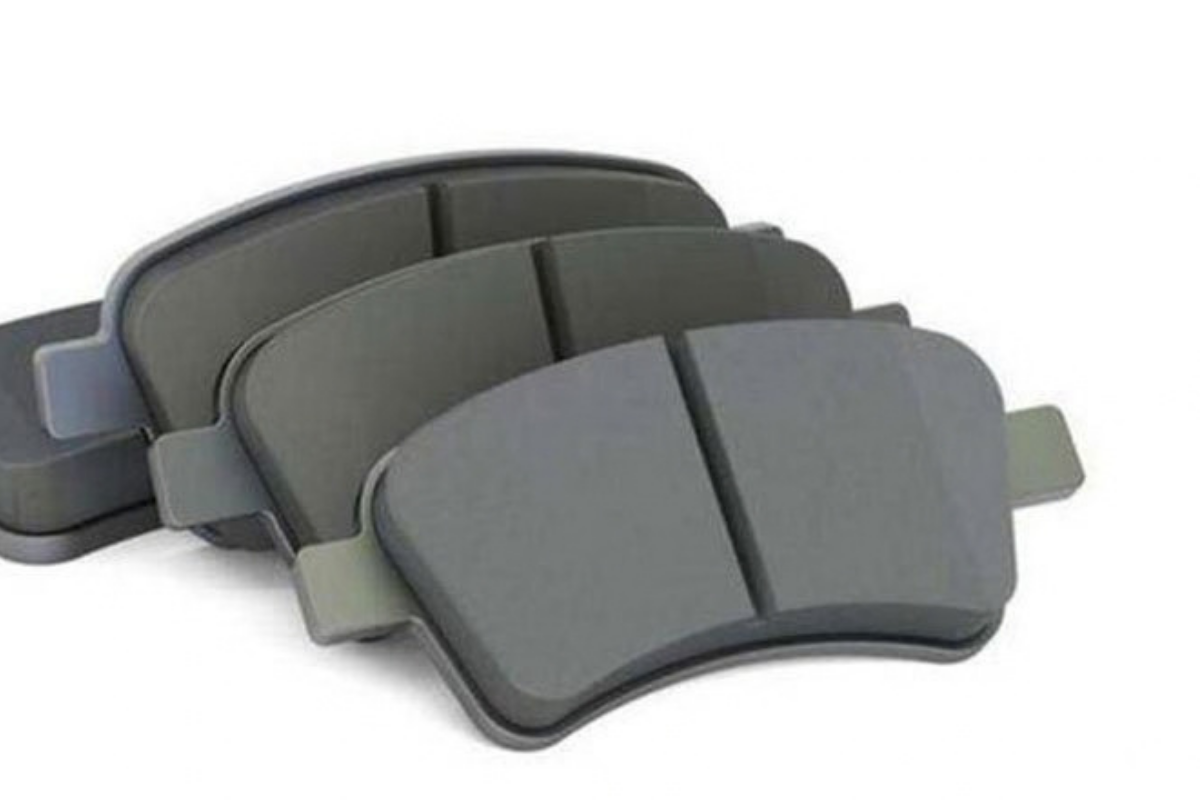
In brakes, clutch facings and industrial friction parts, graphite is used to help balance friction, wear and heat. The goal is controlled performance in the complete formulation.
Friction balance
Graphite helps regulate behaviour at the contact surface.
Heat management
Thermal conductivity contributes to heat distribution.
Wear management
Lubricating action can influence interface wear.
Where graphite is used
Identify the process first, then review the role of graphite and the requirements that guide selection.
Brake pads & linings
ROLE OF GRAPHITEGraphite additive in automotive brake formulations.
SELECTION FOCUSFriction target · wear · operating temperature
Clutch facings
ROLE OF GRAPHITECarbon-based additives in clutch friction materials.
SELECTION FOCUSEngagement behaviour · heat · formulation balance
Industrial friction parts
ROLE OF GRAPHITEFormulated components for industrial braking and engagement.
SELECTION FOCUSDuty cycle · mating surface · thermal load
Balance friction, heat and wear
Evaluate graphite in the complete friction system.
Graphite content and particle characteristics can change interface behaviour. Select against the intended friction profile, wear targets and operating conditions rather than maximum lubricity.
Start with the right graphite
Discuss the material family together with your specification and operating conditions.
| Material family | Application starting point | What to confirm |
|---|---|---|
| Natural flake graphite | APPLICATION STARTING POINTGraphite additive for friction formulations | WHAT TO CONFIRMMorphology, particle distribution and composition |
| Micronized graphite | APPLICATION STARTING POINTFine graphite for formulation and interface adjustment | WHAT TO CONFIRMFine fraction, binder compatibility and loading |
Before you select a grade
Practical questions to help make your requirements clear.
Is the objective simply to reduce friction?
Brake and clutch systems need a controlled friction profile. Graphite is one part of the balance between friction, wear and heat.
Can a graphite specification guarantee brake performance?
Performance comes from the complete friction formulation and component design, evaluated under the relevant operating and test conditions.
What helps narrow down a candidate material?
Share the friction material type, particle and purity requirements, binder system, duty cycle and current performance targets.
Natural graphite portfolio
Flake, micronized and other graphite-based product families.
Specification discussion
Share particle size, purity and application requirements.
Sales & after-sales support
Discuss product selection and follow-up needs.
Let’s discuss your graphite requirements.
Send your application, target specification and required quantity to start a focused product discussion.