
Graphite for lubrication & drilling
Graphite is used as a solid lubricant in industrial formulations and as an additive in drilling fluids. Particle selection and compatibility with the carrier system guide the material choice.
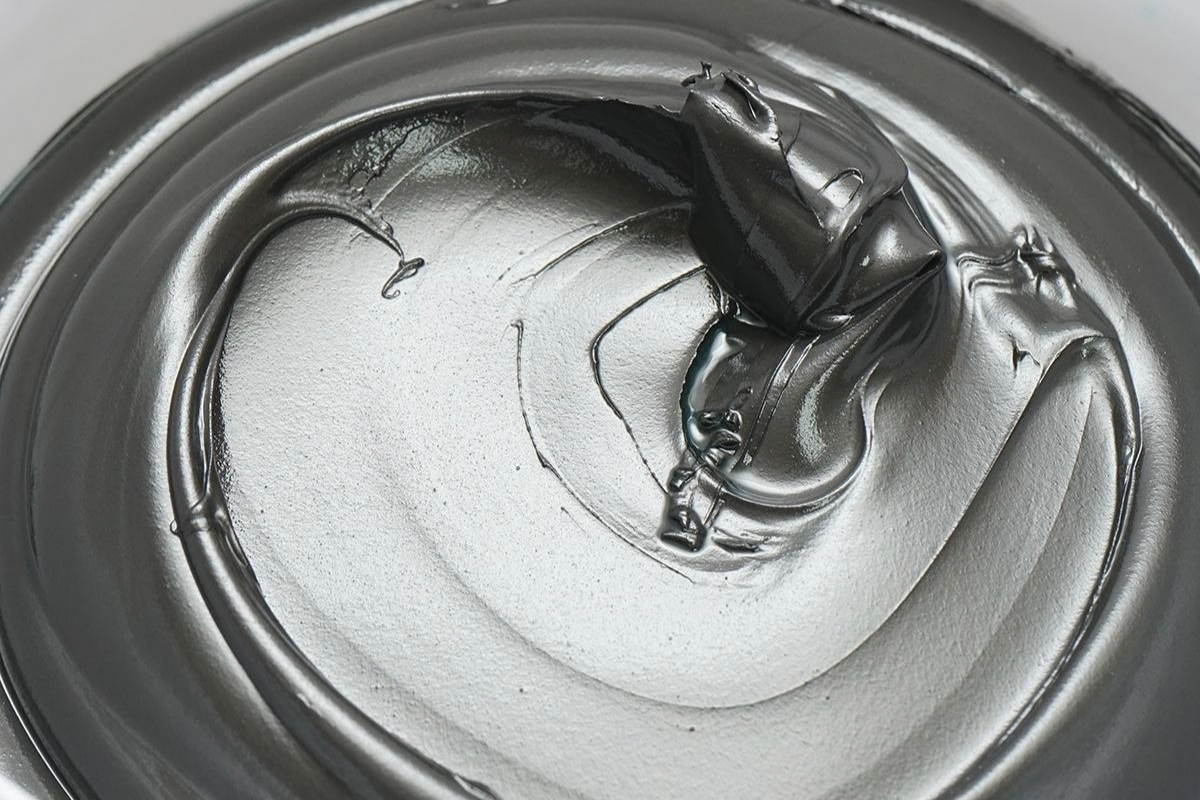
Solid lubrication
Graphite layers can slide at contacting surfaces.
Surface protection
A graphite-containing film can help manage wear.
Drilling friction control
Evaluate torque and drag in the intended fluid system.
Where graphite is used
Identify the process first, then review the role of graphite and the requirements that guide selection.
Industrial lubricant formulations
ROLE OF GRAPHITESolid additive for greases, pastes and lubricant blends.
SELECTION FOCUSParticle size · dispersion · carrier compatibility
Forming & release systems
ROLE OF GRAPHITEGraphite in hot forming and release formulations.
SELECTION FOCUSApplication method · surface coverage · process heat
Drilling fluids
ROLE OF GRAPHITEGraphite additive for lubrication and friction management.
SELECTION FOCUSWater / oil base · size distribution · well conditions
Match the graphite to the fluid
Industrial lubrication and drilling have distinct needs.
A fine lubricant additive and a drilling-fluid graphite should not be selected by the same label alone. Review the carrier, particle requirements and operating conditions before choosing a grade.
Start with the right graphite
Discuss the material family together with your specification and operating conditions.
| Material family | Application starting point | What to confirm |
|---|---|---|
| Lubricating graphite | APPLICATION STARTING POINTGraphite for industrial lubricant formulations | WHAT TO CONFIRMCarrier, operating conditions and particle size |
| Micronized graphite | APPLICATION STARTING POINTFine solid additive where smaller particles are needed | WHAT TO CONFIRMDistribution, purity and dispersion |
| Natural flake graphite | APPLICATION STARTING POINTCandidate additive for evaluated drilling-fluid systems | WHAT TO CONFIRMFluid base, sizing and well conditions |
Before you select a grade
Practical questions to help make your requirements clear.
Can the same grade be used in grease and drilling fluid?
It may not suit both. Carrier compatibility, particle distribution and operating conditions need separate review.
Does smaller particle size always improve lubrication?
The appropriate size depends on the interface, formulation and application method. Evaluate the material in the actual system.
What is needed for a drilling-fluid inquiry?
Provide the water- or oil-based system, operating temperature, required sizing and the lubrication problem being addressed.
Natural graphite portfolio
Flake, micronized and other graphite-based product families.
Specification discussion
Share particle size, purity and application requirements.
Sales & after-sales support
Discuss product selection and follow-up needs.
Let’s discuss your graphite requirements.
Send your application, target specification and required quantity to start a focused product discussion.