
Graphite for refractory systems
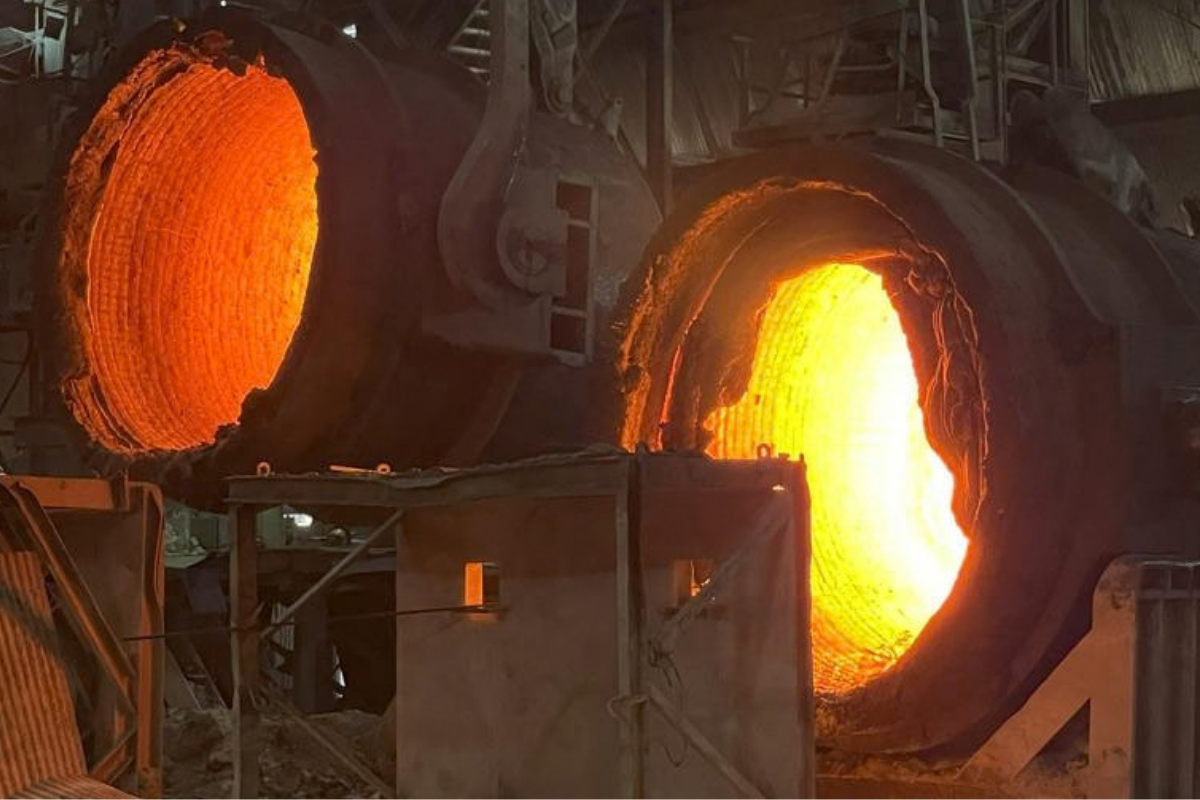
Natural flake graphite is used in carbon-containing refractories, including magnesia-carbon and alumina-carbon systems. Selection depends on the refractory composition, service environment and required flake characteristics.
Heat transfer
Graphite contributes thermal conductivity to the formulation.
Thermal cycling
Consider the full refractory under temperature changes.
Material compatibility
Match the carbon component to the refractory system.
Where graphite is used
Identify the process first, then review the role of graphite and the requirements that guide selection.
Magnesia-carbon refractories
ROLE OF GRAPHITEGraphite as a carbon component in refractory formulations.
SELECTION FOCUSFlake structure · purity · formulation
Alumina-carbon & casting parts
ROLE OF GRAPHITECarbon-containing parts for metal processing systems.
SELECTION FOCUSParticle distribution · binder · service conditions
Crucibles & monolithics
ROLE OF GRAPHITEGraphite-containing materials for selected high-temperature uses.
SELECTION FOCUSComposition · thermal cycling · oxidation exposure
Flake selection for refractories
Evaluate the flake within the complete refractory.
Flake size and crystal structure influence how graphite behaves in the refractory mix. Carbon content alone does not describe performance under the intended temperature, atmosphere and slag exposure.
Start with the right graphite
Discuss the material family together with your specification and operating conditions.
| Material family | Application starting point | What to confirm |
|---|---|---|
| Natural flake graphite | APPLICATION STARTING POINTCarbon component for flake-based refractories | WHAT TO CONFIRMParticle distribution, carbon and ash |
| Micronized graphite | APPLICATION STARTING POINTFine graphite where the formulation calls for it | WHAT TO CONFIRMFine fraction, dispersion and binder compatibility |
Before you select a grade
Practical questions to help make your requirements clear.
Is higher carbon content always the best choice?
Purity is one factor. Flake size, ash composition and the full refractory formulation must also fit the service conditions.
Can I choose the grade by mesh size alone?
A mesh description does not capture the full particle distribution or flake structure. Review these together with composition and application requirements.
What should a refractory inquiry include?
State the refractory type, target carbon and size requirements, binder system and intended service environment.
Natural graphite portfolio
Flake, micronized and other graphite-based product families.
Specification discussion
Share particle size, purity and application requirements.
Sales & after-sales support
Discuss product selection and follow-up needs.
Let’s discuss your graphite requirements.
Send your application, target specification and required quantity to start a focused product discussion.